You're a neighbour,
not a case.
There are good tools that connect vulnerable families to people who want to help. We admire the ones that work. We're built on a different conviction about where help begins, and who the person receiving it is allowed to be.
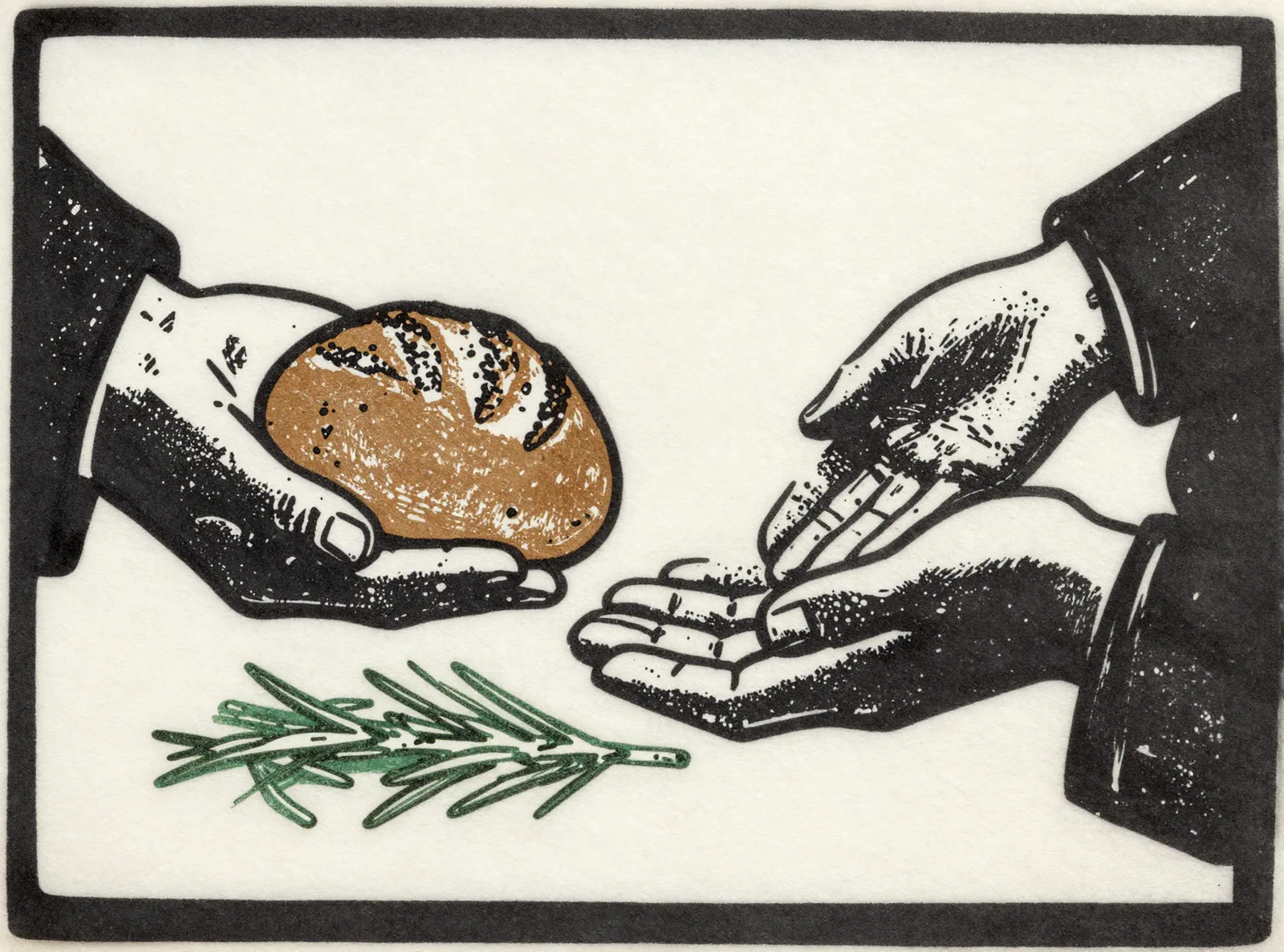
The best-known tool in this space is CarePortal, a program of the Christian non-profit The Global Orphan Project. It's a referral network: a child-serving professional, such as a caseworker or an educator inside the child-welfare system, identifies and vets a need, enters it, and nearby churches and community members are alerted and step in to meet it. It has helped many thousands of children and families, and that is genuinely good work.
It's a case-management model built around the child-welfare system: the need is surfaced by a professional, the request flows outward to responders, and a family in crisis is helped. We're built for a different moment. We start earlier, reach wider, and come from the other direction.
Help comes in two different shapes.
The difference is the design, not the people. Here is the contrast, laid out plainly.
| Case-management referral (e.g. CarePortal) |
Reciprocal aid network (UMI) |
|
|---|---|---|
| Who starts | A professional inside the system vets and submits the need. | A neighbour names their own need, or offers their own help. No gatekeeper required. |
| Direction of power | Top-down: system → church → family in need. | Horizontal: neighbour ↔ neighbour, as equals. |
| The recipient is… | A beneficiary of a response they didn't set in motion. | A co-responsible member, receiving today and giving tomorrow. |
| Scope | Focused on the child-welfare / foster system and its crises. | Broad and preventative: rent, work, isolation, and the whole person, before crisis. |
| Where the data lives | Needs move through professional and agency channels. | Held in the community's own trust. Encrypted; forgettable on request. |
| Theology | A work of mercy extending the safety net. | Subsidiarity and co-responsibility, the Body of Christ carrying its own. |
This is our honest reading of a tool we respect, taken from its own public description. We offer it to sharpen the contrast, not to diminish good work.
Why choose us?
Because most people who are struggling aren't in any system's file. There's no caseworker assigned to the widow, or the laid-off father, or the elder who lives alone, or the family one bad month from the edge. But there's a parish that could notice.
Because being helped shouldn't cost you your standing. Here you aren't a case to be managed. You're a member, and soon enough you'll be the one helping. And because your information stays with your community. That matters most to the families with the most reason to fear being watched.
How do we help more?
We start earlier. We help with the rent, the ride, and the lonely evening, so most crises never arrive. And we widen what counts as a need, so company, counsel, and learning are as welcome as canned goods.
We also build the community's own strength instead of routing around it. The same neighbours, over time, grow food, share skills, and stand up for one another. That kind of help doesn't just close a case. It leaves the whole community more able to carry the next one.
Come and see.
The board is small and real today, and honest about what it isn't yet. If that's the kind of thing you want to build where you are, there's a door for that.
Find your community